How I Learned the Hard Way That Knee Support Isn’t Optional
I used to think knee support was only for older people.
You know… middle-aged men jogging in slow motion at the park, or aunties doing morning aerobics with waist trainers, head ties, and knee braces. I never imagined I would one day need one too. I was young, strong, and consistent with my workouts. My knees? They were supposed to be fine forever.
But I was wrong.
Everything changed the morning my right knee made a sound I can still hear till today.
It happened during a simple squat session, the kind I had done a thousand times. I wasn’t lifting anything heavy. I wasn’t trying to impress anyone. I wasn’t attempting a new move. It was just a regular workout morning.
But as I went down on my second rep, I felt a sharp pull… then a “click”… then a slow burn that crawled down my shin and up my thigh. I froze. For the first time in my fitness journey, I couldn’t finish a workout because of pain.
And that was when I realized something nobody ever told me:
Knee support isn’t about age, it’s about prevention.
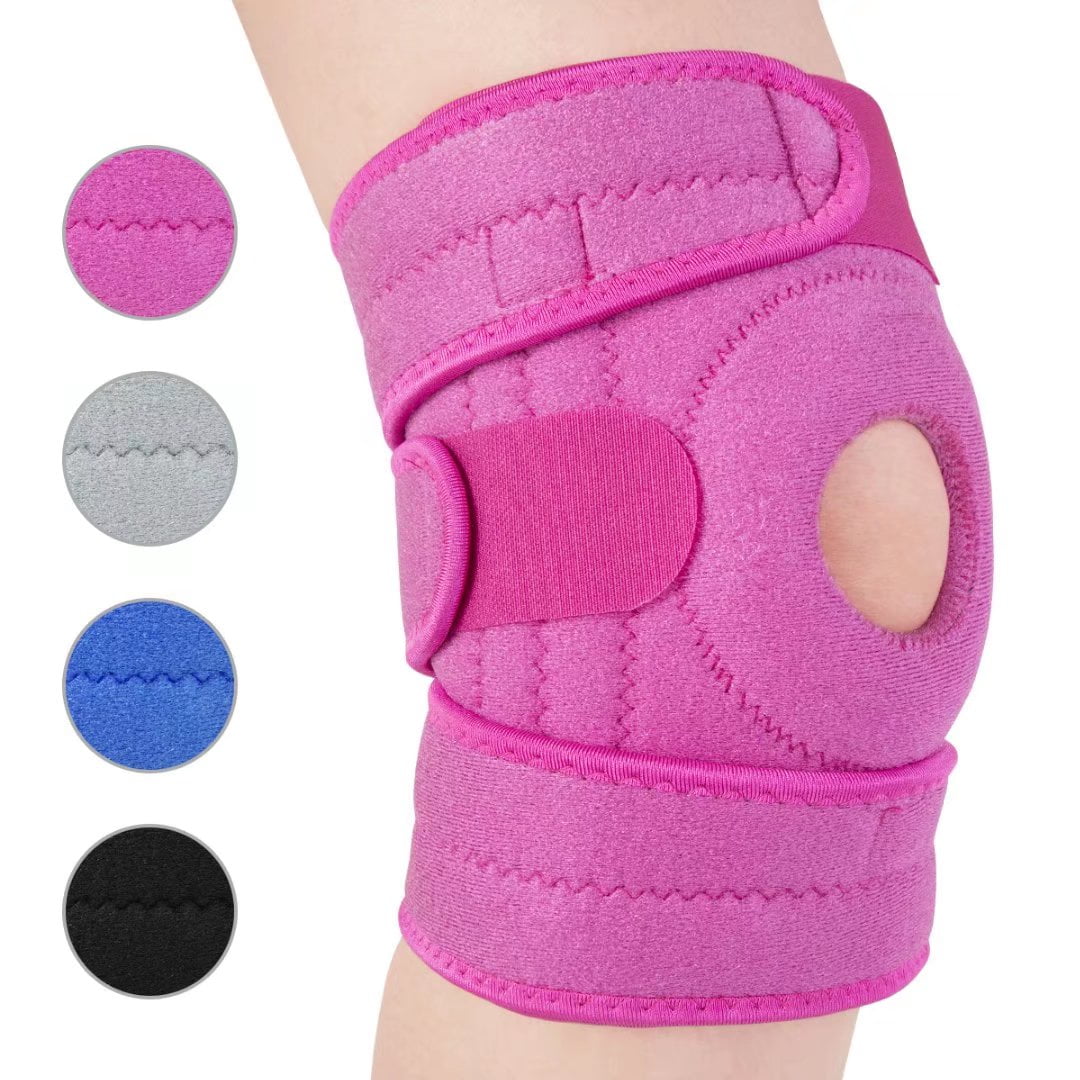
That one “click” taught me what many people only learn after an injury:
If you don’t protect your knees, you won’t be able to enjoy the fitness lifestyle you’re trying to build.
That day marked the beginning of my education on knee support, and that’s what I’m sharing with you today, so you don’t learn the hard way like I did.
AFFILIATE DISCLOSURE: This post may contain affiliate links. If you purchase through any link here, we may earn a small commission at no extra cost to you.
Why “Knee Support” Should Never Be Ignored
Most people think about knee support only when they’re already in pain. But by then, damage has already started.
Knees carry your entire body weight.
They absorb shock with every jump, squat, and lunge.
And once they start hurting, getting relief takes longer than you expect.
Using proper knee support early helps you:
• Prevent workout-related injuries
• Improve stability during strength training
• Reduce pressure on the joints
• Maintain proper form
• Strengthen surrounding muscles
• Avoid long-term knee problems
Your knees are not replaceable. Even medical procedures don’t fully restore what was lost. Prevention is always easier than recovery.
How Knee Support Protects You During Exercise
Every movement you do… even walking, puts pressure on your knees. When you’re exercising, that pressure increases significantly.
Here are the main ways knee support helps:
1. It Provides Stability
Knee support holds your joint in place so it doesn’t wobble or shift during movement. This reduces the risk of twists and strains.
2. It Reduces Pain
If you already have slight discomfort, proper knee support helps reduce inflammation and give your joint the rest it needs.
3. It Improves Performance
You perform better when your knees are stable.
Your squats become deeper.
Your lunges become straighter.
Your workouts become safer.
4. It Helps You Maintain Proper Form
Most knee injuries come from poor alignment. Knee support forces your legs to maintain the correct line during movement.
Who Needs Knee Support? (Answer: More People Than You Think)
You need knee support if:
• You exercise regularly
• You lift weights
• You run or jog
• You do HIIT workouts
• You dance
• You’re recovering from an old knee injury
• You have a job that keeps you standing for long hours
• You’re overweight or recently gave birth
• You hear “clicking” sounds during movement
• Your knees swell occasionally
Knee support isn’t for “old people.”
It’s for anyone with knees.
The Day My Mind Changed About Knee Support
A week after the “click” incident, I tried exercising again. I told myself maybe it was just stress. But halfway through a lunge, the pain returned… sharper this time.
I sat on the floor feeling frustrated.
Then I remembered the older women I often saw at the gym wearing knee braces. How they moved confidently, pain-free. How they never skipped stretching. How their form was steady and controlled.
I used to admire them without realizing they were teaching me something valuable:
Your body is not invincible. And taking care of it is a form of wisdom.
Different Types of Knee Support And Which One You Need
There is no one-size-fits-all. Each type of knee support has a specific purpose.
Check out these carefully selected knee braces on Amazon.
1. Knee Sleeves
Best for: Everyday workouts, squats, light jogging
Benefits: Compresses the knee to improve blood flow and reduce swelling
2. Knee Braces
Best for: Injury recovery, heavy workouts, unstable knees
Benefits: Offers strong support and prevents sideways movements
3. Patella Straps
Best for: Runners, people with patellar tendon pain
Benefits: Reduces pressure below the kneecap
4. Heavy-Duty Support Braces
Best for: Serious knee injuries, weak joints, arthritis
Benefits: Maximum stabilization
Exercises That Put the Most Pressure on Your Knees
You especially need knee support when doing:
• Squats
• Jump squats
• Lunges
• Running
• Burpees
• Step-ups
• Leg press
• HIIT movements
• Cycling
• Deadlifts (yes, they affect the knees indirectly)
The more explosive the move, the more important your knee support becomes.
How to Protect Your Knees During Exercise
Here’s what I wish someone had told me sooner:
1. Warm Up Before Every Workout
A cold knee is a stiff knee.
Warm up for at least 5–7 minutes.
2. Don’t Skip Leg Work
Strong quads = supported knees.
Weak quads = knee pressure.
3. Use Knee Support Before Pain Starts
Don’t wait for pain. Start early.
4. Land Softly When Jumping
The way you land matters more than the jump.
5. Strengthen Surrounding Muscles
Your hips, glutes, hamstrings, and calves all help protect your knees.
6. Listen to Your Body
Pain is not a sign to “push harder.”
Pain is a sign to stop, adjust, and heal.
The Emotional Side of Knee Pain
No one talks about the emotional part.
The fear of injury.
The frustration of slow progress.
The feeling of “my body is failing me.”
The embarrassment of wearing a knee brace for the first time.
I felt all of that.
But what surprised me most was the relief that came after accepting that using knee support didn’t make me weak, it made me wise.
If this topic speaks to you, don’t miss my related post on Back Braces. It dives deeper into protecting your joints and staying active without pain.
While you’re here, you may also want to check this post on knee-friendly fitness tips. It will help you understand your body even better.
FAQs About Knee Support
Q: Should I wear knee support every time I exercise?
A: If you do high-impact workouts or have knee discomfort, yes. Otherwise, use it for movements that strain the knees.
Q: Can knee support heal an injury?
A: No. It supports healing but doesn’t replace medical care.
Q: Can beginners use knee support?
A: Absolutely. It’s safer to start early than too late.
Q: How tight should knee support be?
A: Snug but not painful. You should still be able to move comfortably.
Q: Can knee support prevent future injury?
A: Yes. That’s one of its biggest benefits.
Conclusion
Your knees carry you through life. Workouts, walks, routines, and responsibilities. They deserve love. They deserve attention. And they deserve protection.
Don’t wait for pain before taking knee support seriously.
Start now. Protect them now.
Your future self will thank you.
Leave a Reply